
12 Best Clean Book Club Novels to Discuss
Find the best clean book club novels for lively conversations, from cozy mysteries and historical fiction to warm stories of hope and second chances too.

Find the best clean book club novels for lively conversations, from cozy mysteries and historical fiction to warm stories of hope and second chances too.
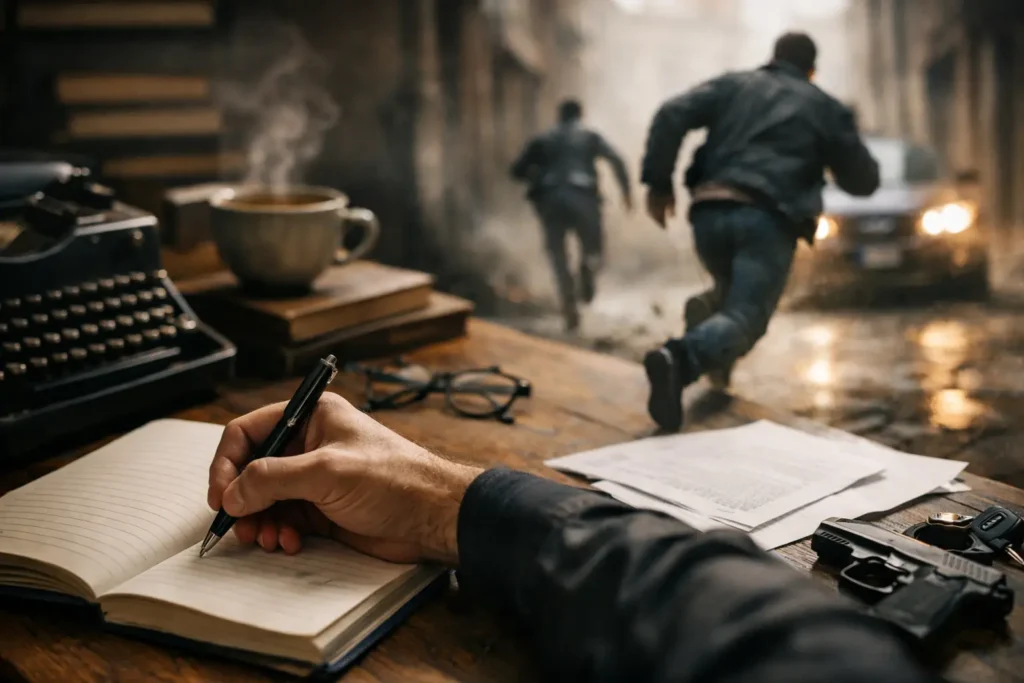
Learn how to write chase scenes with clear stakes, vivid settings, and character choices that build suspense without turning action into noise on paper.
How to Write Chase Scenes That Keep Pages Turning Read More »

Learn how photographers research travel locations, from light and access to local detail, then turn the findings into photographs and believable scenes.

A practical guide to self editing novels: find weak scenes, sharpen characters, fix pace, and prepare a manuscript readers can trust before submitting.

Why use prologues? Learn when an opening scene builds suspense, when it slows a novel down, and how to make it earn a reader’s attention from page one.
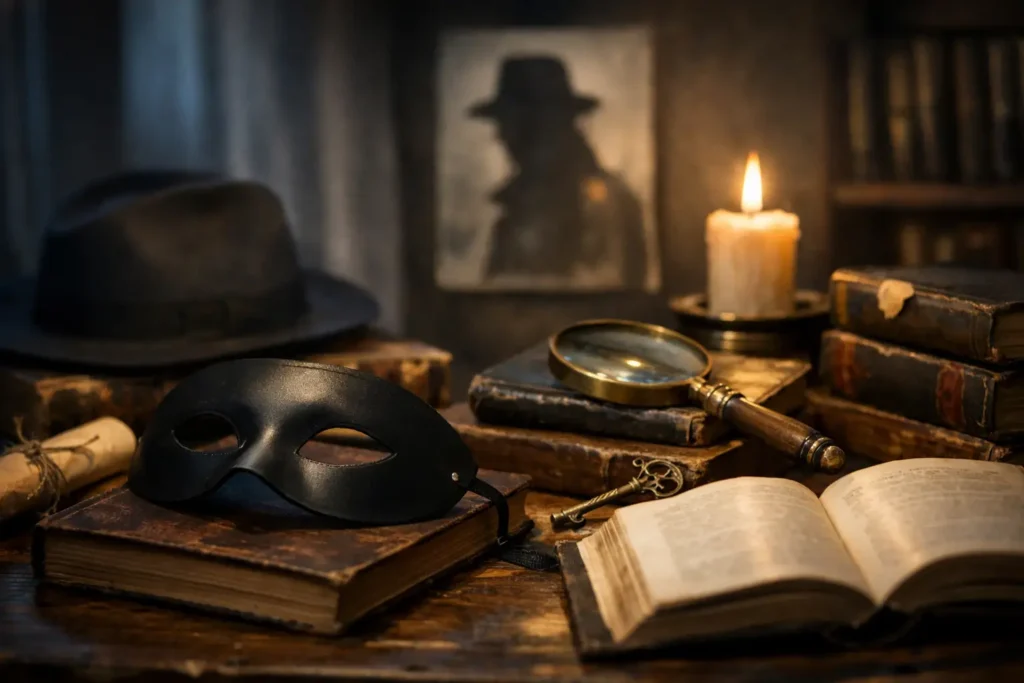
A reader’s guide to books featuring hidden identities, from spy aliases to stolen names, and the craft that makes a reveal feel earned, not cheap ever.

How authors research unfamiliar places with maps, local voices, sensory detail, and careful fact-checking to make fictional settings feel fully lived in.

Learn how photographers capture story ideas through observation, light, place, and human detail, then turn fleeting scenes into memorable fiction with care.

See how travel experiences shaping novels give scenes their weather, rhythm, and telling details, from a photographer who learned to watch closely abroad.
Travel Experiences Shaping Novels With Real Detail Read More »

Can travel inspire fiction? See how real places, missed turns, local details, and a photographer’s eye can shape suspense, romance, and believable stories.