
Book Marketing That Builds Real Reader Trust
Book marketing works best as a genuine conversation. Learn how authors earn reader trust, attention, and lasting online interest without the hard sell.


Book marketing works best as a genuine conversation. Learn how authors earn reader trust, attention, and lasting online interest without the hard sell.

Realistic thriller reviews look beyond the body count, weighing credible details, human choices, and the tension that lingers after the last page rather than spectacle.

Learn how to develop flawed protagonists with believable weaknesses, costly choices, and enough heart to keep readers firmly on their side in the story.
How to Develop Flawed Protagonists Readers Trust Read More »
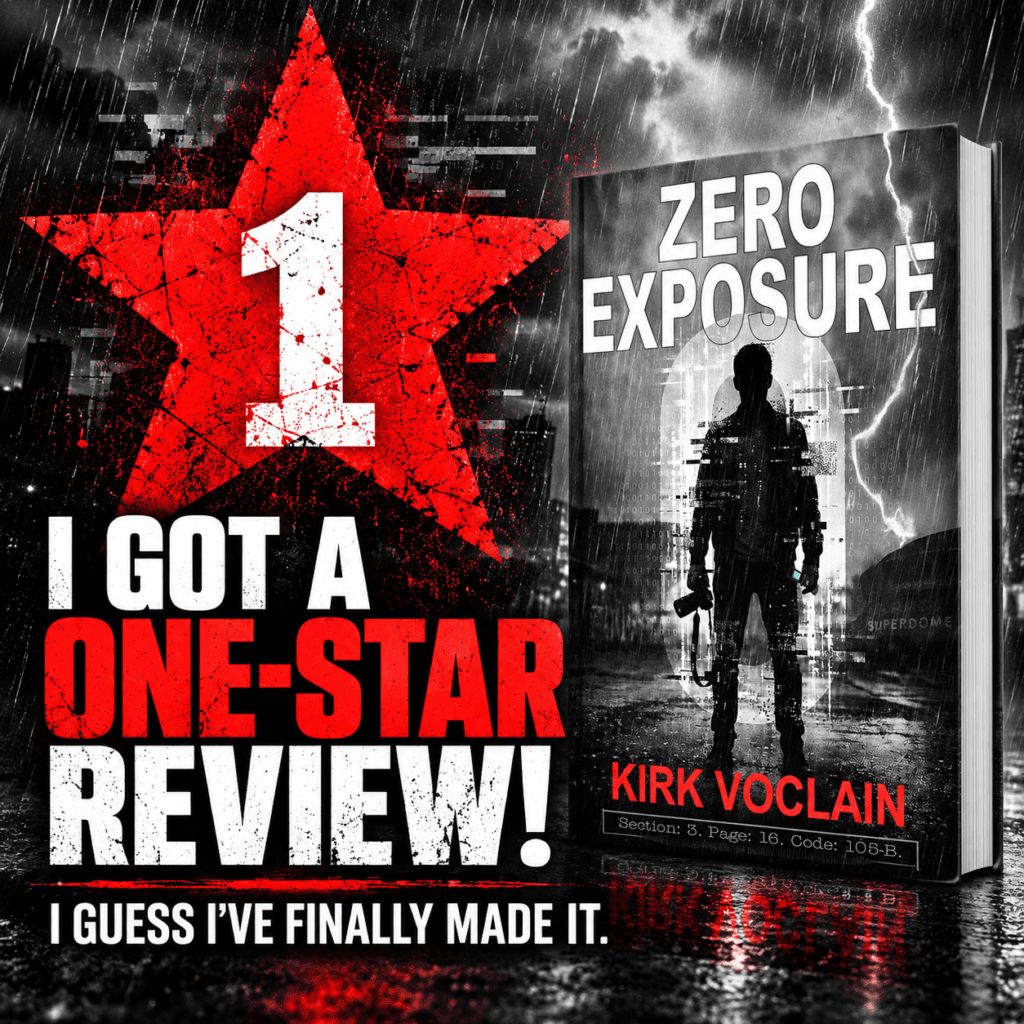
Well, it happened. Zero Exposure received a one-star review. I’m not going to pretend it didn’t hurt. Of course it did. Authors pour an enormous amount of time, energy, emotion, and probably far too much coffee into their books. When someone reduces all of that to a single little star, you feel it. But after
I Got a One-Star Review….and I Think I’ve Finally Made It Read More »

Book newsletters offer a quieter, more personal way to find memorable thrillers, romance, and historical fiction worth your reading time every month.
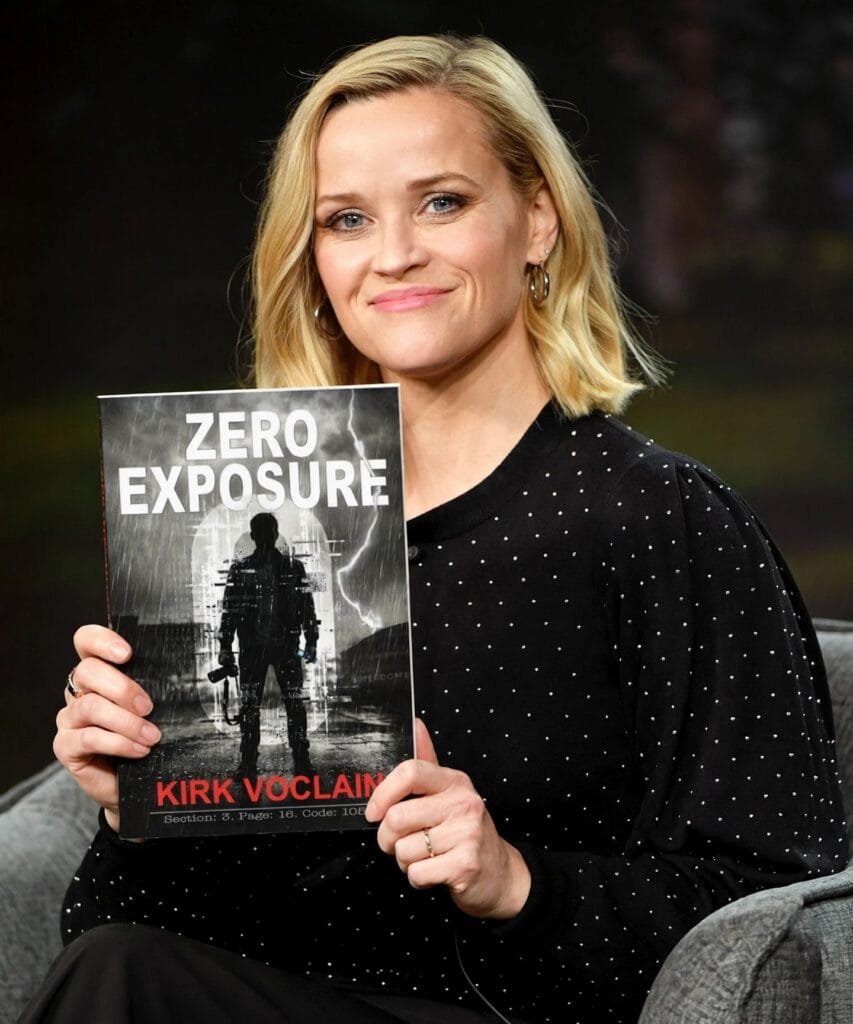
Every author dreams of getting “the email.” You know the one. The message that says a major book club, celebrity, publisher, producer, or media company has discovered your work and wants to feature it. For an indie author, that kind of email can make your heart jump just a little. Then your brain catches up.
Authors, Beware: The Fake Reese’s Book Club Email Scam That Targeted Zero Exposure Read More »

Psychological thriller reviews should do more than rate a book. Learn what they reveal about tension, character, pacing, and lasting unease for readers.

Standalone versus series novels offer different pleasures: one delivers a complete escape, while the other lets readers return to familiar lives again.

Learn how building suspense through setting uses light, space, weather, and telling details to keep fiction readers uneasy before danger steps into view.
Building Suspense Through Setting That Feels Real Read More »

Photography storytelling examples reveal how a single frame can create tension, show character, and leave a lasting question in the viewer’s mind later.
Photography Storytelling Examples That Stay With You Read More »