
How Photographers Research Travel Locations
Learn how photographers research travel locations, from light and access to local detail, then turn the findings into photographs and believable scenes.

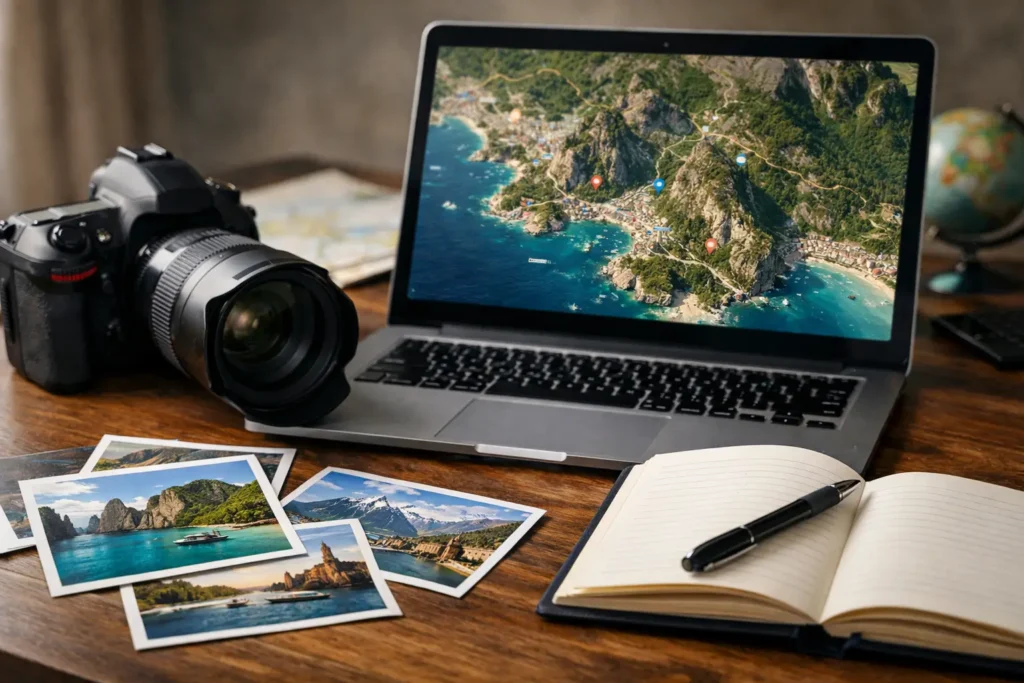
Learn how photographers research travel locations, from light and access to local detail, then turn the findings into photographs and believable scenes.
Learn how to create fictional conspiracies with believable motives, clues, pressure, and consequences through every sharp reveal.
How to Create Fictional Conspiracies That Feel Real Read More »
Ordinary people thriller books turn familiar routines into high-stakes suspense. See why flawed, capable characters make danger feel close to home today.

A practical guide to self editing novels: find weak scenes, sharpen characters, fix pace, and prepare a manuscript readers can trust before submitting.
Why use prologues? Learn when an opening scene builds suspense, when it slows a novel down, and how to make it earn a reader’s attention from page one.
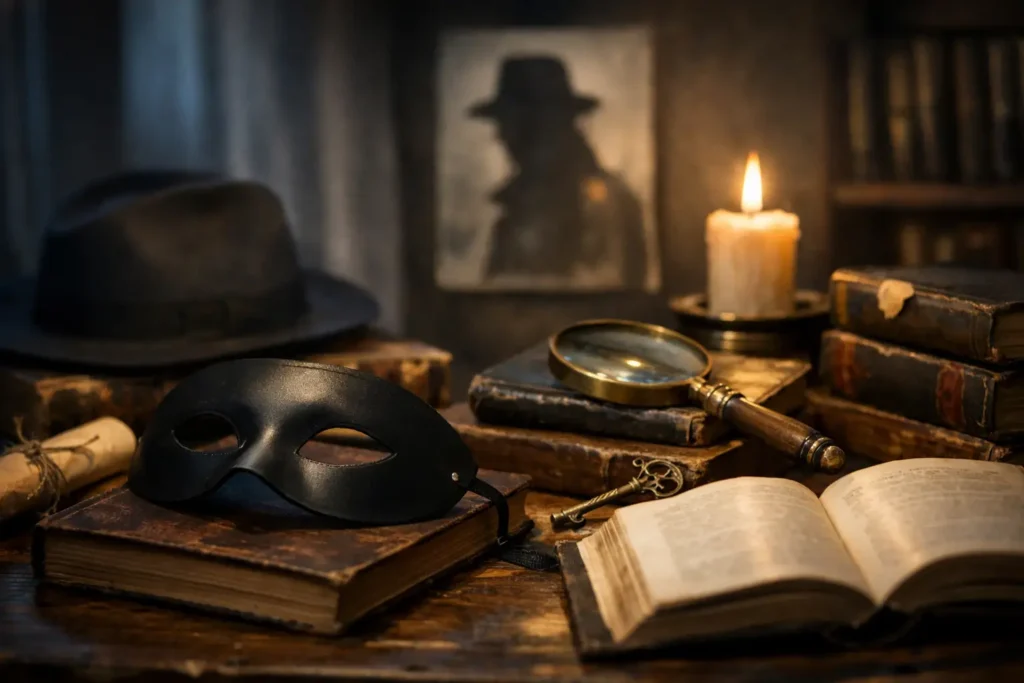
A reader’s guide to books featuring hidden identities, from spy aliases to stolen names, and the craft that makes a reveal feel earned, not cheap ever.
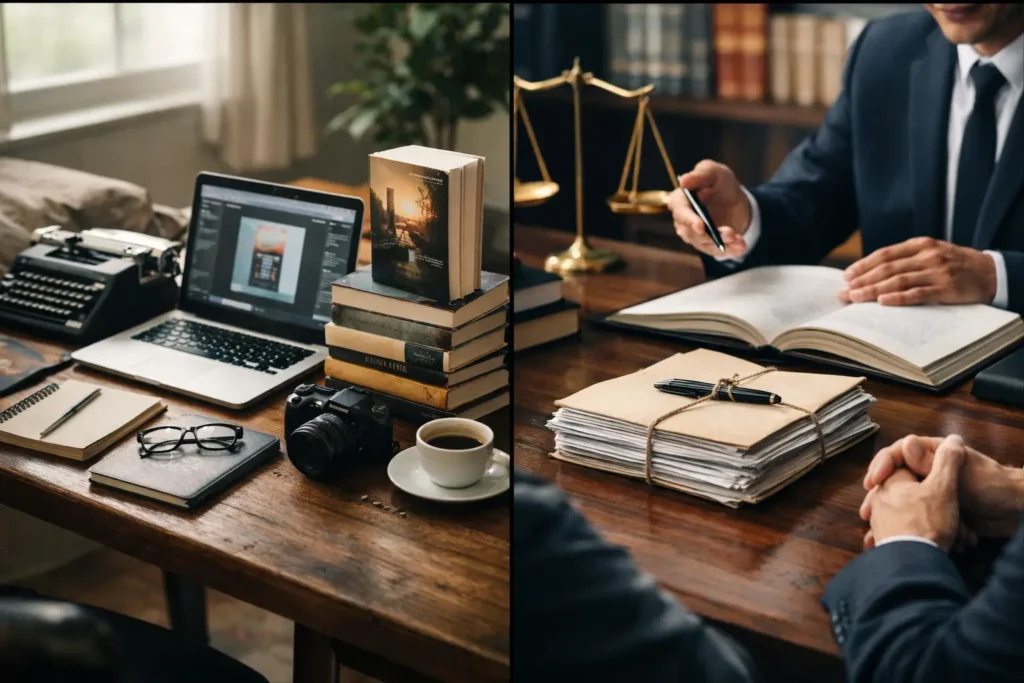
Indie publishing versus traditional publishing: a clear look at creative control, timing, costs, reach, and the reader relationship behind every book.
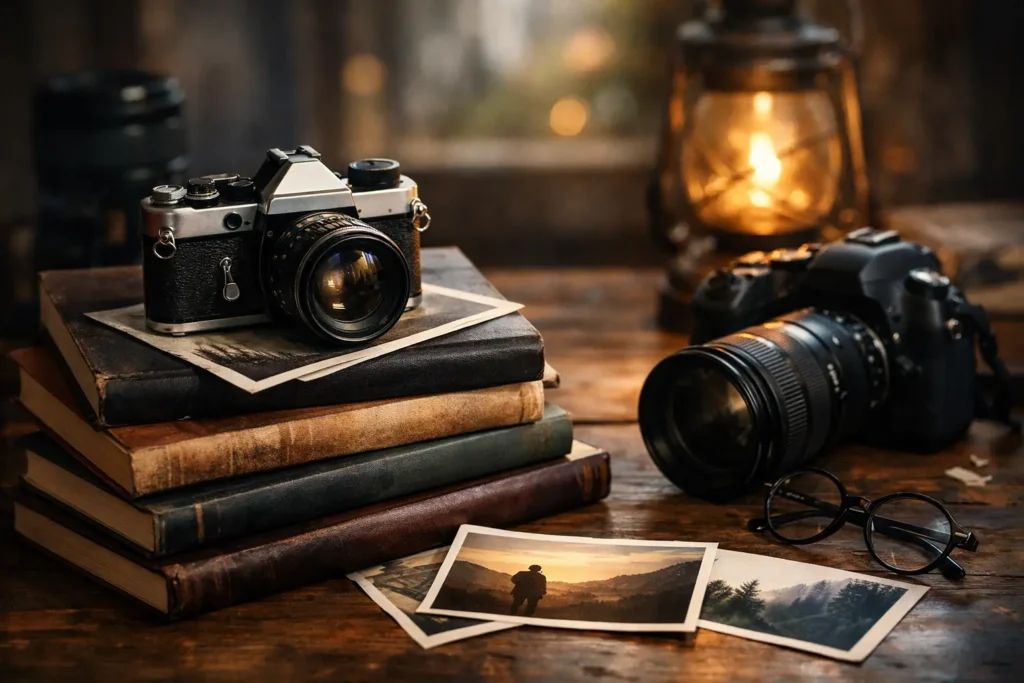
Fiction books for photographers reveal how images hold evidence, memory, desire, and danger. Nine smart picks for readers who see stories in every frame.
9 Fiction Books for Photographers Who Love Story Read More »
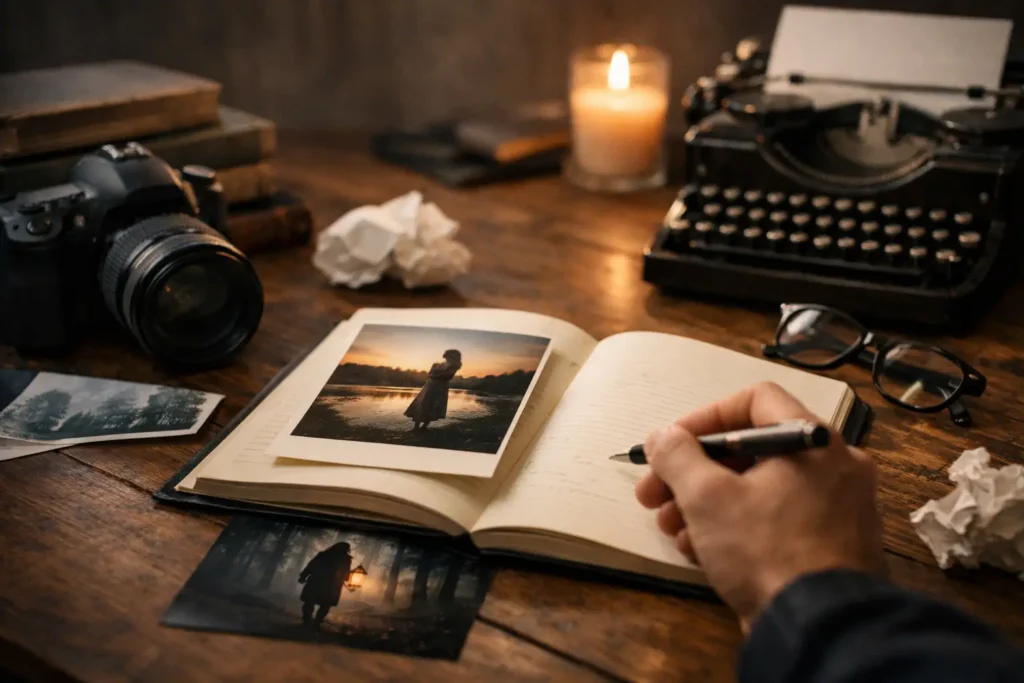
Photography inspired fiction examples show how a camera, a missing frame, or a hard-won image can create suspense, romance, and lasting stakes as well.
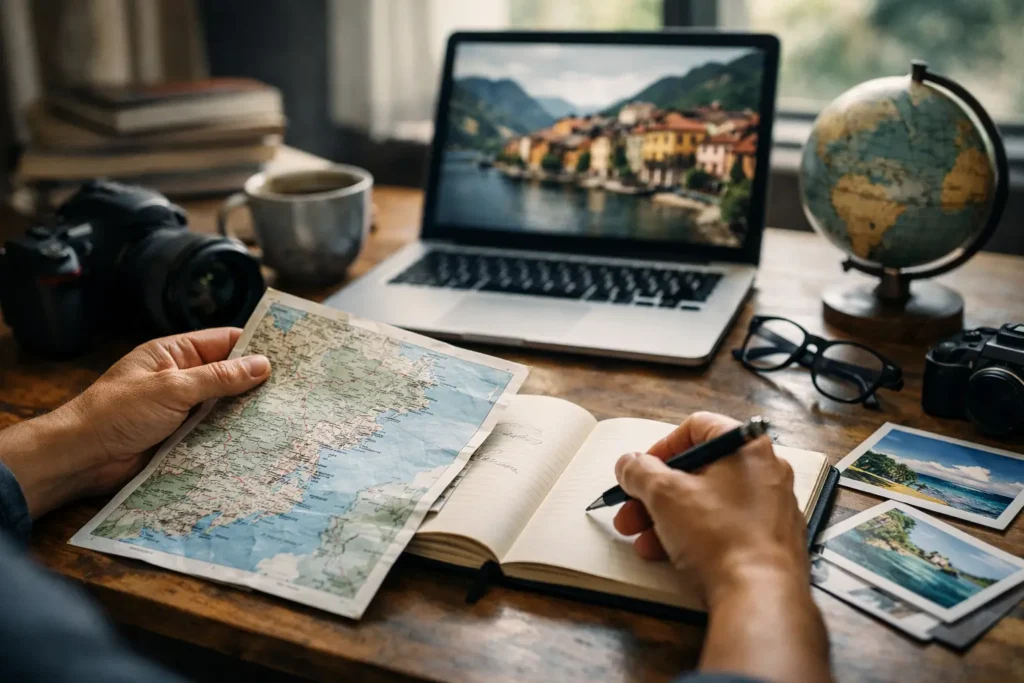
How authors research unfamiliar places with maps, local voices, sensory detail, and careful fact-checking to make fictional settings feel fully lived in.