
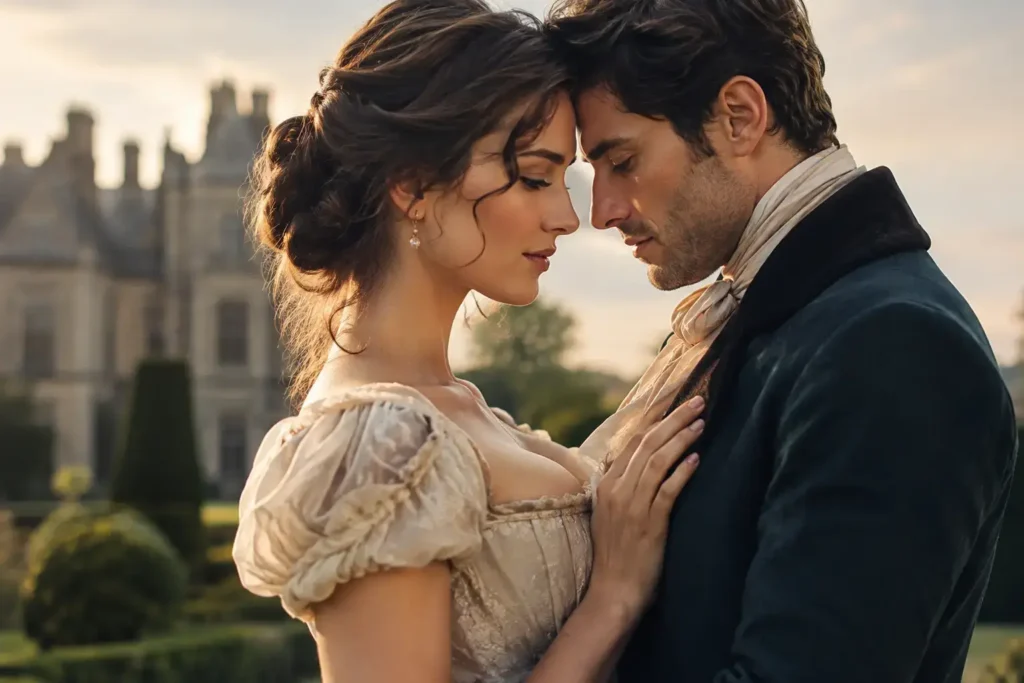
A stagecoach wheel sinks into spring mud. A ranch widow counts the last coins in a kitchen drawer. A man who has spent years keeping his feelings under lock and key arrives too late to pretend he doesn’t care. A good historical romance review starts with those tangible moments, because the past only matters when it presses on the people living in it.
Historical romance has a demanding job. It must give readers the pleasures of a distant time while keeping the emotions close enough to recognize. The dresses, railroads, telegrams, and frontier towns are not decorations. They shape what a character can say, where she can go, and what it might cost to choose love.
That’s why the best books in the genre feel less like costume drama and more like a well-framed photograph. You notice the period details first, perhaps, but you stay with the faces.
A Historical Romance Review Begins With Believable Ground
Every period has its own practical rules. A letter might take weeks to arrive. A missed train could end an opportunity. A woman running a business might need unusual nerve, patience, or help from people who see her as an exception. Those pressures give a romance honest friction without requiring a villain to appear every twenty pages wearing a black hat.
The setting does not need to arrive with a lecture attached. Readers usually learn more from a cracked water pump, a crowded boardinghouse supper, or a borrowed horse than from three pages explaining the price of lumber in 1887. Research matters, certainly, but research should disappear into the furniture, the weather, and the choices people make.
That balance is especially important in Western romance. The American West has been polished into legend so often that it can be tempting to fill every chapter with sunsets and gun belts. Sunsets are fine. So are gun belts, within reason. Yet a convincing town also needs laundry, debt, sore feet, dust under the door, and neighbors who know far too much about one another’s business.
A setting earns trust when it creates consequences. If travel is difficult, an impulsive departure should matter. If social standing is rigid, a public disagreement has a longer shadow. If a character has little money, every decision cannot be solved by locating a conveniently abandoned gold mine.
The People Matter More Than the Period
History can supply the obstacle, but characters supply the heartbeat. The strongest historical romances give both leads goals that would matter even if romance never entered the room. He may be trying to hold a ranch together after a hard winter. She may be protecting a family, building a livelihood, or finally claiming a measure of independence.
Then the relationship complicates those goals.
That is the useful tension at the center of a satisfying love story. Two decent people can want things that do not fit neatly together. A widow who has learned to rely on herself may not welcome a man eager to help. A man carrying old guilt may mistake distance for honor. Their conflict should grow from character and circumstance, not from a misunderstanding that could be corrected by one calm conversation before breakfast.
Clean romance has a particular advantage here. Without relying on explicit scenes to carry emotional weight, the story has to make smaller moments count: a hand offered at the right time, a repaired fence, a remembered detail, a conversation by lamplight when both characters have run out of excuses. Those moments can be surprisingly powerful because they reveal attention. Love often begins there.
Chemistry Is Not Just Banter
A sharp exchange can be fun, and a little verbal sparring never hurt a romance. Still, chemistry is more than two attractive people disagreeing in complete sentences. It is the sense that each person sees something in the other that no one else has noticed.
In a memorable historical romance, the attraction changes the characters without erasing who they are. The guarded man may learn that strength includes asking for help. The practical woman may discover that accepting love is not surrender. Neither should become unrecognizable simply to make the ending tidy.
This is where pacing makes a difference. Some stories call for a slow build, allowing trust to form through shared work and repeated encounters. Others work better when danger or necessity puts the leads together quickly. Neither approach is automatically better. A slow-burn romance can feel rich and earned, but it can also stall if every chapter repeats the same hesitation. A faster romance creates momentum, but it still needs enough quiet space for readers to believe the attachment.
The key is progression. By the middle of the book, the relationship should not be standing in the same emotional doorway where it began.
Conflict Should Cost Something
A historical setting offers plenty of natural obstacles, but a good story chooses them carefully. Family expectations, distance, money, reputation, old promises, and the simple difficulty of building a life in an unsettled place can all work. The question is not whether the obstacle is dramatic. The question is whether it forces each character to reveal what they values most.
A storm that strands two people in a cabin can be useful. A storm that exists only to make them admit feelings they have already discussed five times is less useful. The trouble should sharpen the story, not act as a substitute for one.
Readers also deserve conflict that fits the tone. Not every historical romance needs kidnappings, secret inheritances, or a runaway train. Those elements can be entertaining in the right book, but quiet stakes can be just as compelling. Keeping a farm, raising a child, saving a family business, or finding the courage to trust again may not make headlines. It can make a very good novel.
What a Satisfying Ending Actually Delivers
Romance readers expect emotional resolution, and rightly so. The ending should not merely announce that the couple is together. It should show why they are now capable of staying together.
That usually means both people have made a choice that would have been impossible near the beginning of the book. They have confronted the fear, belief, or obligation that kept them apart. The solution need not be flawless. Life after the final chapter will still include muddy roads, unpaid bills, difficult relatives, and probably a roof that needs repair. But readers should feel that the couple has become a team.
A satisfying ending also honors the world of the novel. A ranch cannot become prosperous overnight because the hero smiled bravely. A social divide does not vanish because a ballroom scene went well. Hope feels more convincing when it has a few splinters in its hands.
The Best Test Is Simple
After the last page, the historical details should remain in the mind because they belong to the people who lived among them. Readers may remember the dress, the depot, the ranch house, or the town’s one respectable hotel. More often, they remember the moment a character finally told the truth, stayed when leaving would have been easier, or understood that love was not a rescue but a partnership.
That is the standard worth bringing to any historical romance review. Look for a past that feels inhabited, characters with something real to lose, and a relationship that changes because both people have earned it. The right story leaves a little dust on your boots and a reason to turn the next page. For readers who enjoy that kind of romance, a good Western setting still has plenty of room for second chances.